
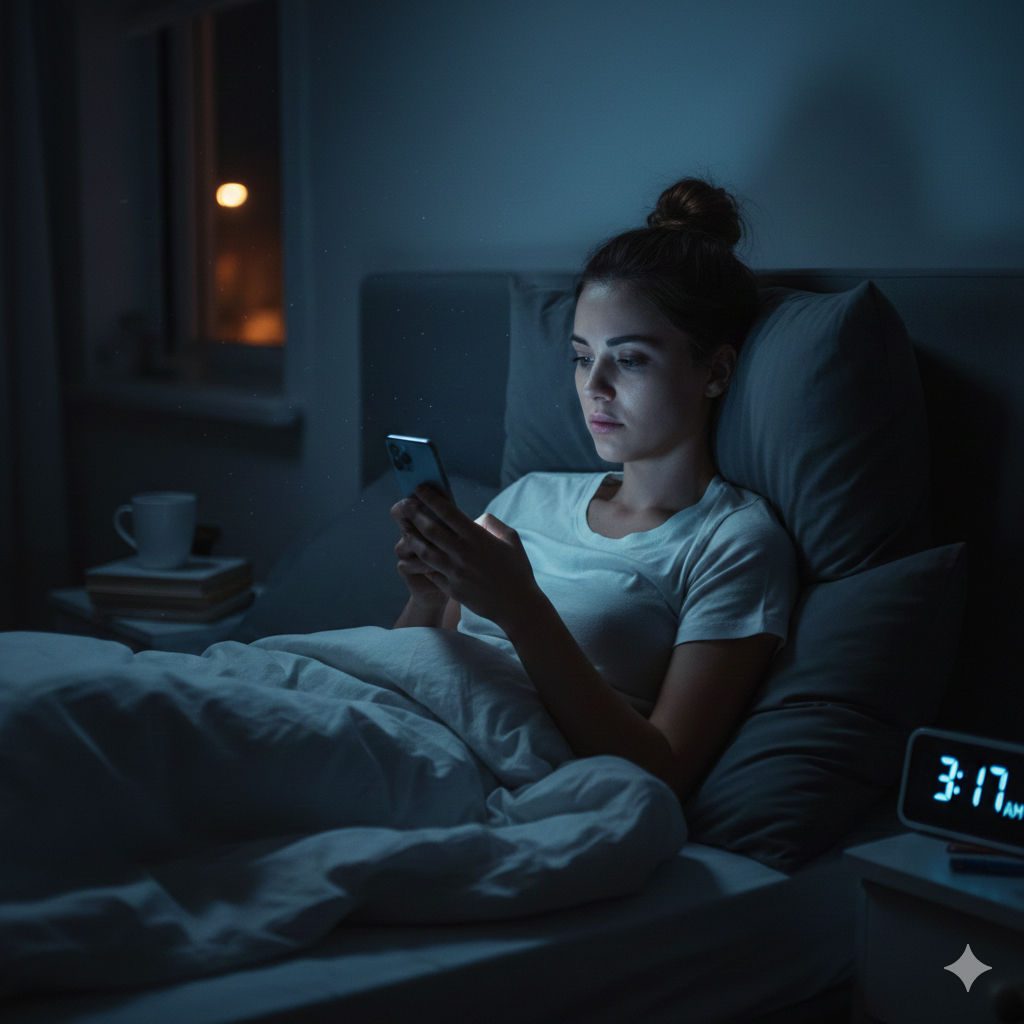
In an increasingly connected world, mobile phones have become indispensable tools, bridging distances and opening up vast repositories of information. Yet, this constant connectivity comes at a significant cost, with growing evidence suggesting a strong link between excessive mobile usage and declining mental well-being. What began as a convenience has, for many, evolved into a pervasive habit, subtly eroding our mental landscape and leaving us more anxious, depressed, and disconnected than ever before.
The dopamine trap: A constant craving for connection
Every notification, every ‘like’, every new message triggers a small hit of dopamine in our brains – the same neurochemical associated with pleasure and reward. This creates a powerful feedback loop, making us constantly crave the next digital interaction. We find ourselves compulsively checking our phones, even when there’s no real reason, driven by an unconscious desire for that next dopamine rush. This constant seeking, however, can lead to a state of chronic anticipation and dissatisfaction, where real-world interactions struggle to compete with the instant gratification of the digital realm.
The comparison culture: Fueling anxiety and low self-esteem
Social media, a dominant force on our mobile devices, often presents a curated, idealized version of reality. We are constantly bombarded with images of perfect lives, successful careers, and enviable vacations. This relentless exposure to seemingly flawless existences can trigger feelings of inadequacy, envy, and intense social comparison. Studies have shown a direct correlation between increased social media usage and higher levels of anxiety, depression, and low self-esteem, particularly among younger demographics. The pressure to present an equally perfect persona online can be exhausting, leading to a vicious cycle of performativity and self-doubt.
Sleep disruption: The silent assailant
The glow of our mobile screens, particularly the blue light emitted, has a significant impact on our circadian rhythm – our natural sleep-wake cycle. Using phones late into the evening suppresses the production of melatonin, the hormone responsible for inducing sleep. This leads to difficulties falling asleep, fragmented sleep, and overall poor sleep quality. Chronic sleep deprivation, in turn, is a well-established risk factor for various mental health issues, including mood disorders, irritability, and decreased cognitive function. The temptation to scroll “just one more time” before bed often has far-reaching consequences for our mental well-being the following day.
Recent Comments